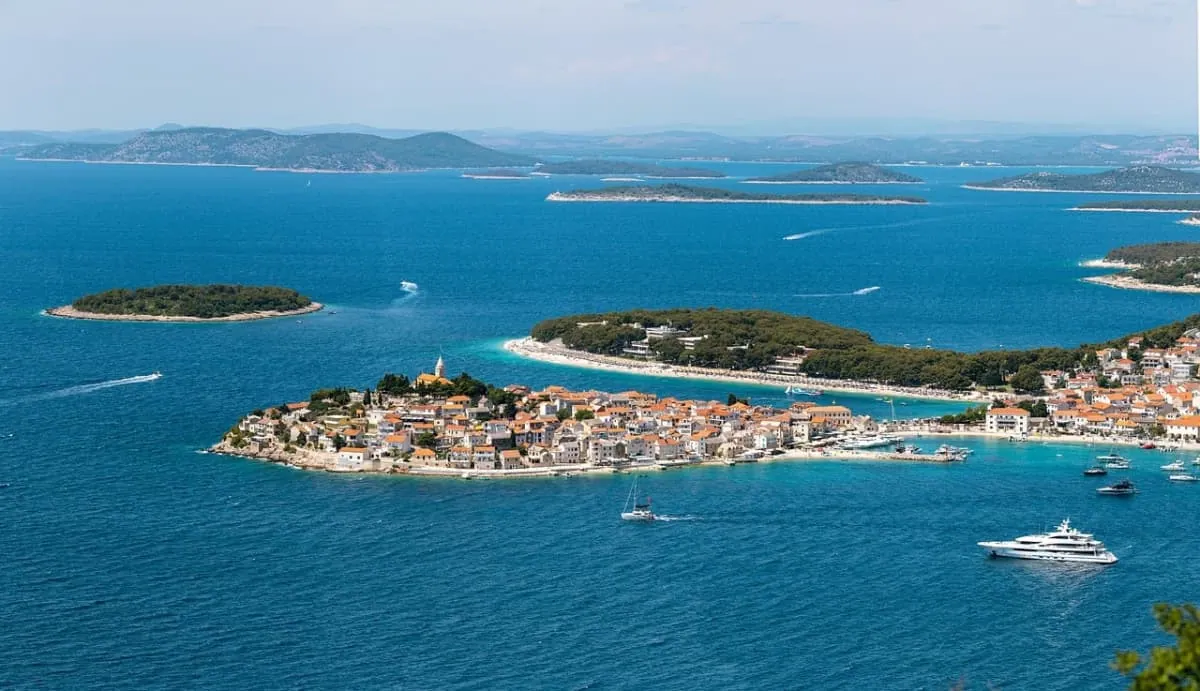
Croatia is one of those countries that somehow overdelivers at every scale: walled old towns that glow at sunset, islands that feel properly escapist, national parks with water so clear it looks staged, and little hilltop spots where you can slow down and eat well without trying.
I’ve pulled together 21 of the most beautiful places across Croatia, mixing the famous highlights with quieter, “how is this not everywhere on Instagram?” picks. For each one, you’ll get the quick vibe and the best time to go, plus the specific detail that turns a pretty photo into a place you can actually picture yourself in.
The 21 Most Beautiful Places in Croatia
1. Old Town of Dubrovnik
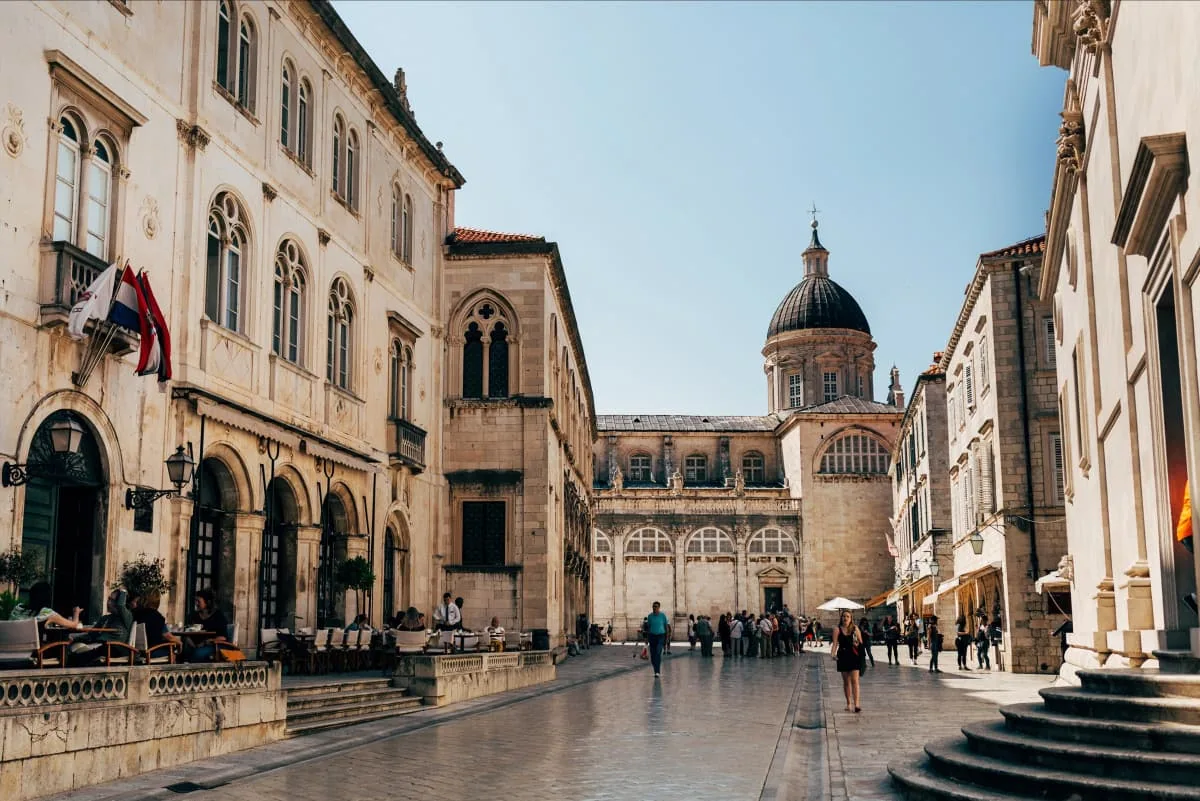
We can’t start this list of the most beautiful places in Croatia without first discussing the Old Town of Dubrovnik. After all, it is the country’s most popular tourist destination for a reason.
Dating back to the 7th century, the city’s extravagant maze of cobblestone streets, medieval palaces, and monumental churches not only served as the inspiration for King’s Landing in HBO’s Game of Thrones, but also earned the Old Town the epithet of ‘The Pearl of the Adriatic.”
Designated a UNESCO World Heritage Site in 1979, Dubrovnik’s Old Town is not only one of the most beautiful cities in Croatia but one of the most awe-inspiring destinations in the world.
Location: Dubrovnik-Neretva County, Dalmatia | Vibe: Walled-city drama | Best for: History, sea views, iconic walks | Perfect time: May–June, September
Why it’s enchanting: Dubrovnik’s limestone streets catch the light like they’ve been polished, and the whole old town feels like it’s floating above the Adriatic. The city walls wrap you in those panoramic views where terracotta rooftops meet impossibly blue water.
My personal highlight: Walking the walls early morning when the stones are still cool and the sea is glassy, then slipping into a shady side street for an espresso.
2. Dinara Nature Park
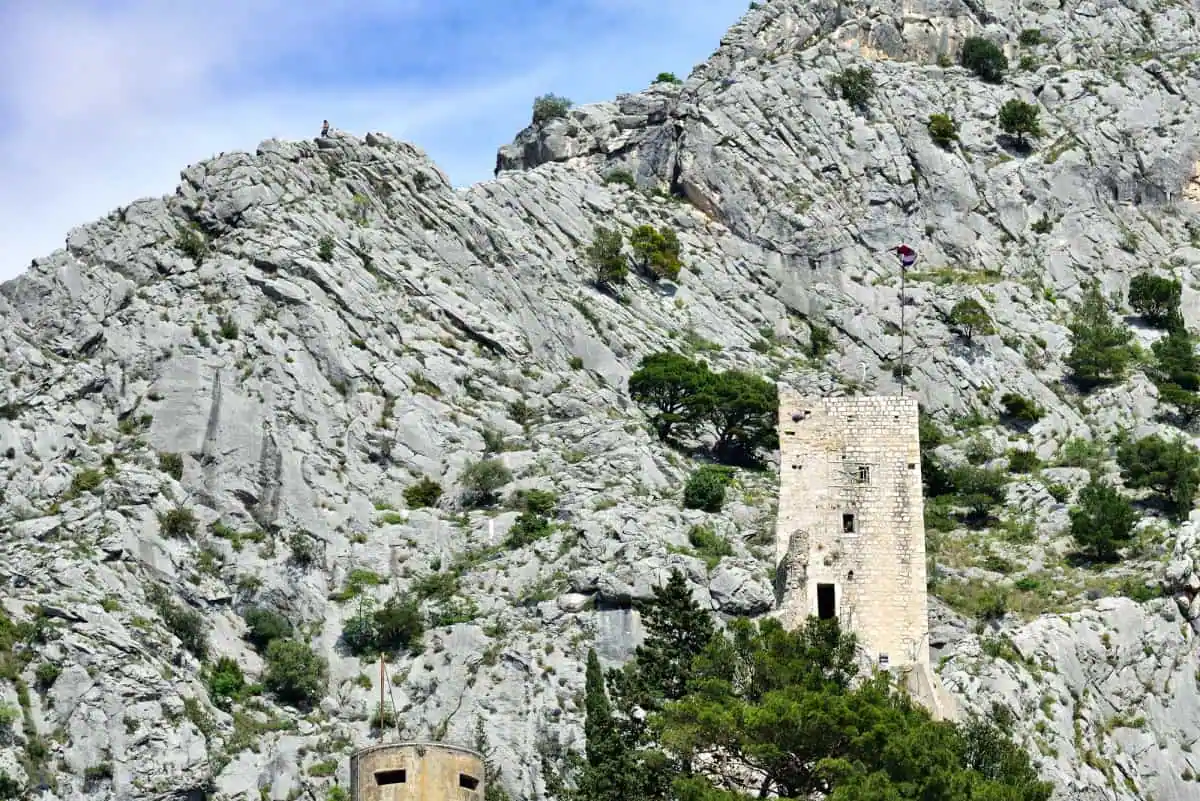
Declared a nature park in 2021, Dinara is Croatia’s newest nature reserve and is easily one of the country’s most beautiful.
Protecting an area of 630 km2, the Dinara Nature Park is a treasure trove of natural beauty and is home to some of the country’s tallest mountains and famous karst fields, including Croatia’s highest peak, the Dinara Mountain.
The park is a great spot to engage in a nature hike, with golden eagles, Balkan lynx, gray wolves, and many more endangered species often being spotted within its diverse ecosystems.
Location: Šibenik-Knin & Split-Dalmatia hinterland | Vibe: Wild mountain Croatia | Best for: Hiking, big views, quiet nature | Perfect time: May–June, September–October
Why it’s enchanting: This is Croatia without the crowds: rugged peaks, open karst landscapes, and that feeling of being properly away from it all. It’s raw and spacious, with views that stretch forever on clear days.
My personal highlight: A sunrise hike when the light starts washing over the ridgelines and you can hear nothing but wind and distant birds.
3. Plitvice Lakes National Park
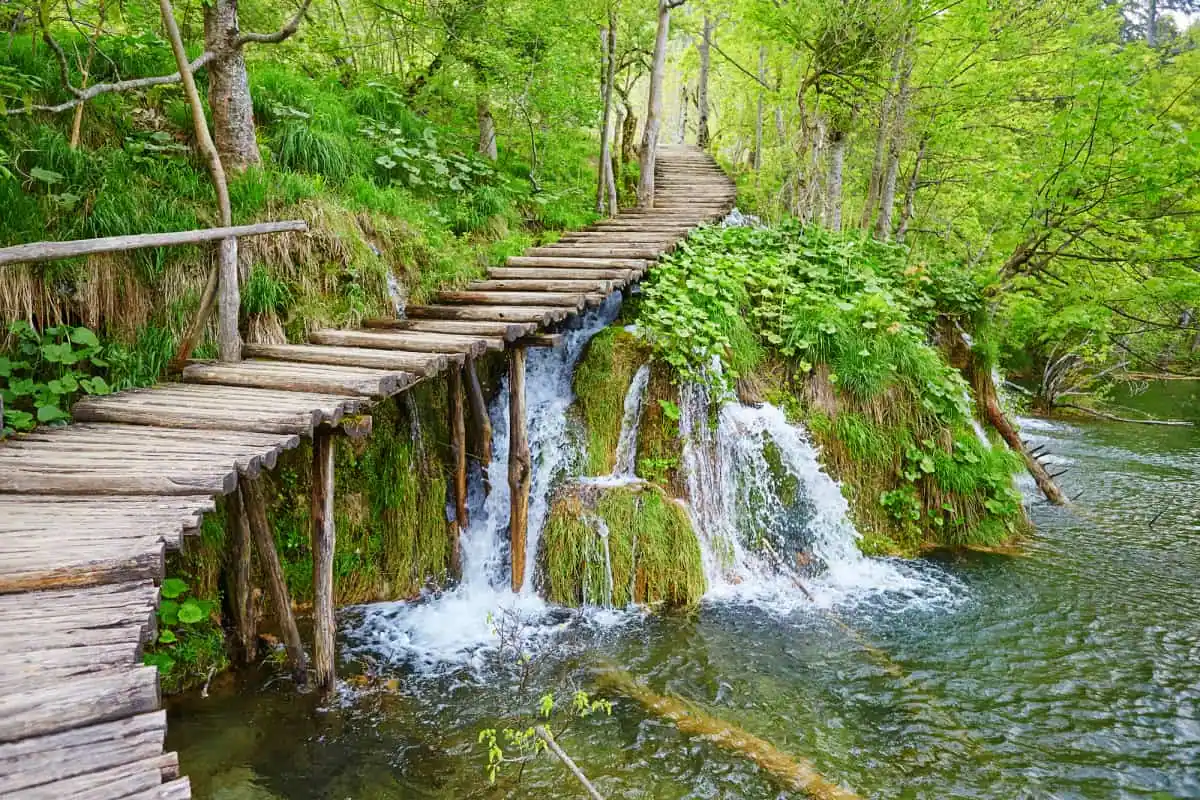
Plitvice Lakes National Park is the largest and most surreal national park in Croatia and boasts terraced lakes within a beautifully preserved 296 km2 area.
The lakes themselves are connected by several hiking trails that weave their way through surrounding waterfalls and travertine deposit cliffs, which provide the pools their distinct turquoise coloring.
Along with its eponymous lakes, the park’s hiking trails lead to a variety of wonders that include natural springs, adventurous caves, sweeping meadows, and the verdant gorge of the Korana River.
Location: Lika-Senj & Karlovac counties | Vibe: Waterfall wonderland | Best for: Nature, boardwalk walks, photography | Perfect time: April–June, September–October
Why it’s enchanting: A chain of turquoise lakes tumbles into each other via waterfalls, with wooden walkways threading right above the water. It’s one of those places that looks edited in photos, then somehow looks even better in real life.
My personal highlight: Hitting the upper lakes first thing before the crowds, when the water is mirror-still and you get that soft, misty atmosphere.
4. Zlatni Rat
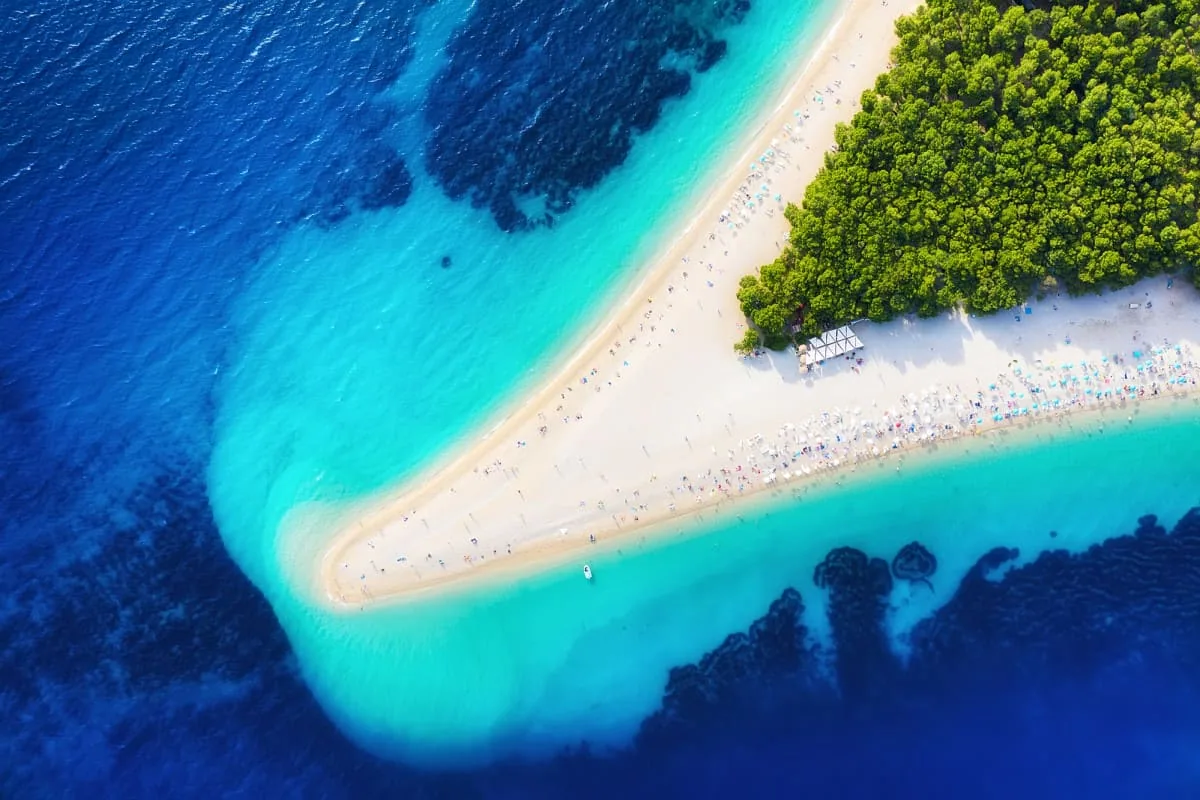
Reaching out from the southern coast of the island of Brac, Zlatni Rat is one of the most distinctive beaches in Croatia thanks to its picturesque white sand point that perfectly contrasts against the azure shades of the surrounding Hvar Channel.
Affectionately nicknamed the Golden Horn, thanks to its unique point, the actual shape of Zlatni Rat is constantly changing and shifting thanks to a combination of wind, waves, and sea currents.
Location: Bol (Brač Island), Split-Dalmatia | Vibe: Iconic spit beach | Best for: Beach days, swimming, wind sports | Perfect time: June–September
Why it’s enchanting: This famous pebble spit curves into the sea like a brushstroke, and it subtly shifts shape with currents and wind. The water is ridiculously clear, and the pine shade behind the beach makes it easy to linger.
My personal highlight: Swimming out from the tip of the spit and turning back to see the beach shape from the water.
5. Rovinj
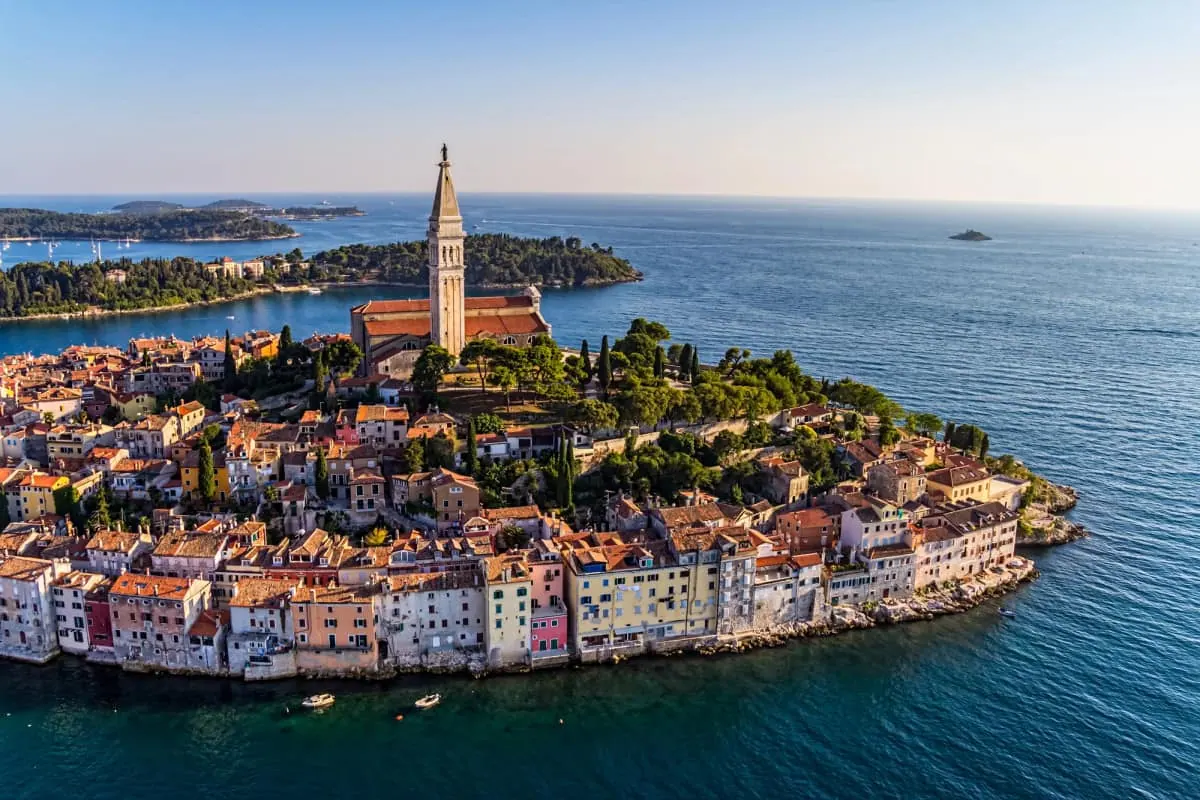
While it may not be as famous, the medieval fishing port of Rovinj rivals Dubrovnik as having one of the most beautiful Old Towns in Croatia. Founded between the 3rd and 5th centuries, Rovinj flourished under the Venetians between the 13th and 18th centuries.
Today, the storybook town consists of winding cobblestone streets of narrowly lined houses and shops, all surrounding the distinctive St. Euphemia Church that sits atop the highest point of the community.
Location: Istria | Vibe: Pastel coastal charm | Best for: Romantic breaks, slow wandering, sunsets | Perfect time: May–June, September
Why it’s enchanting: Rovinj is all narrow lanes, shuttered houses, and little corners that feel made for getting pleasantly lost. The old town rises up to its church like a colourful stack of postcards.
My personal highlight: Climbing to St Euphemia late afternoon, then watching the harbour turn golden as the boats bob below.
6. Pula
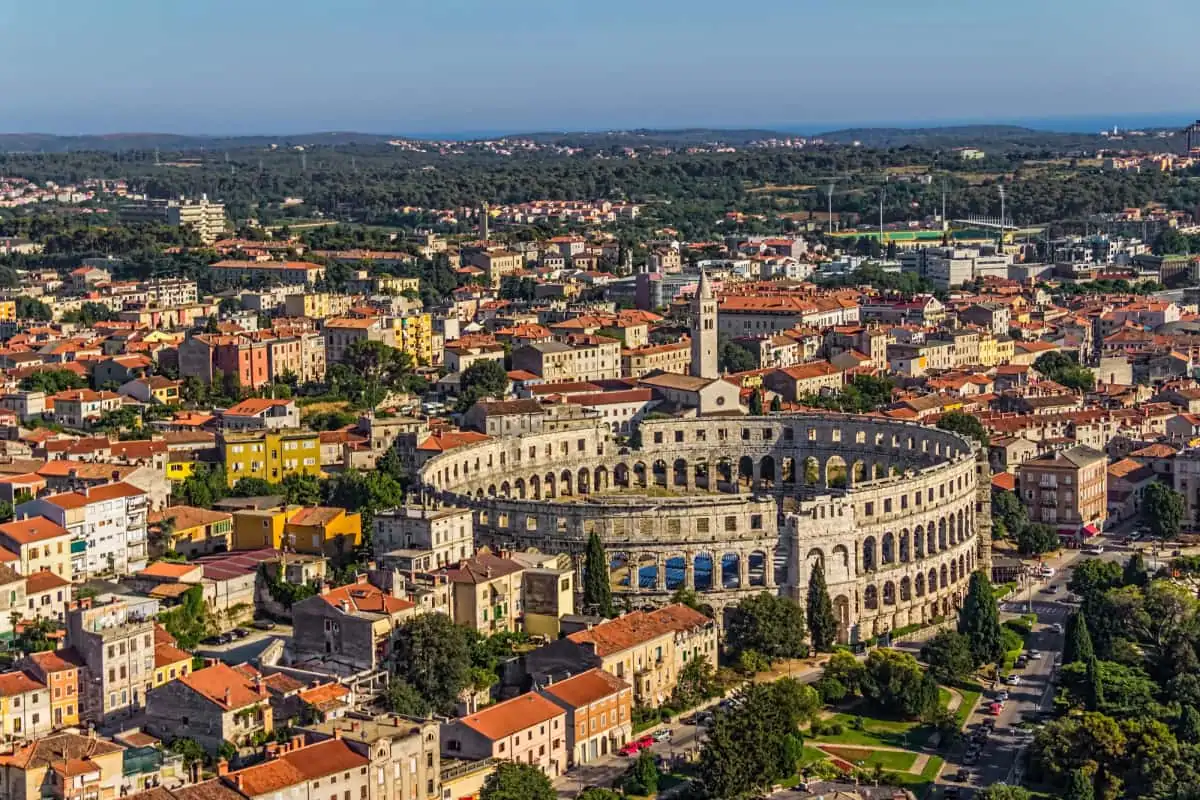
Thanks to its strategic location at the tip of the Istrian Peninsula, Pula has played host to several dominating civilizations throughout history, all leaving their mark in the area to produce one of the most striking modern cities in Croatia today.
While the city is home to numerous ancient ruins, the most famous attraction within Pula is the Pula Arena. Modeled after the Colosseum in Rome, the Pula Arena is smaller in stature but holds the distinction of being almost entirely intact, making it an absolute must visit for any ancient history lover.
Location: Istria | Vibe: Roman grandeur by the sea | Best for: History, beaches nearby, culture | Perfect time: May–June, September
Why it’s enchanting: Pula’s Roman amphitheatre is the star, and it’s genuinely jaw-dropping to see something that ancient sitting right in a modern city. Add sea air, easy walks, and quick escapes to nearby coves, and it’s a brilliant base.
My personal highlight: Seeing the Arena at dusk, when the stone warms in colour and the city feels calmer.
7. Trogir

Often overlooked in favor of the nearby resort destination of Split, Trogir is a well-preserved medieval town along the central Adriatic Coast that blends the Renaissance, baroque, and Romanesque architectural styles to produce one of the most beautifully eclectic old towns in Croatia.
Designated a UNESCO World Heritage Site in 1997, the historic city of Trogir consists of narrow cobblestone streets lined by lively outdoor cafes and pizzerias that lead to a breathtaking seafront promenade overlooking the teal waters of the Dalmatian Coast.
Location: Split-Dalmatia | Vibe: Stone old-town beauty | Best for: Day trips, architecture, waterfront evenings | Perfect time: May–June, September
Why it’s enchanting: Trogir is compact and ridiculously pretty, with honey-coloured stone, tiny alleys, and a waterfront promenade that makes evenings feel effortless. It’s the kind of place where you slow down without meaning to.
My personal highlight: A lazy loop around the waterfront at sunset, gelato in hand, watching the boats slide in.
8. Biokovo Nature Park
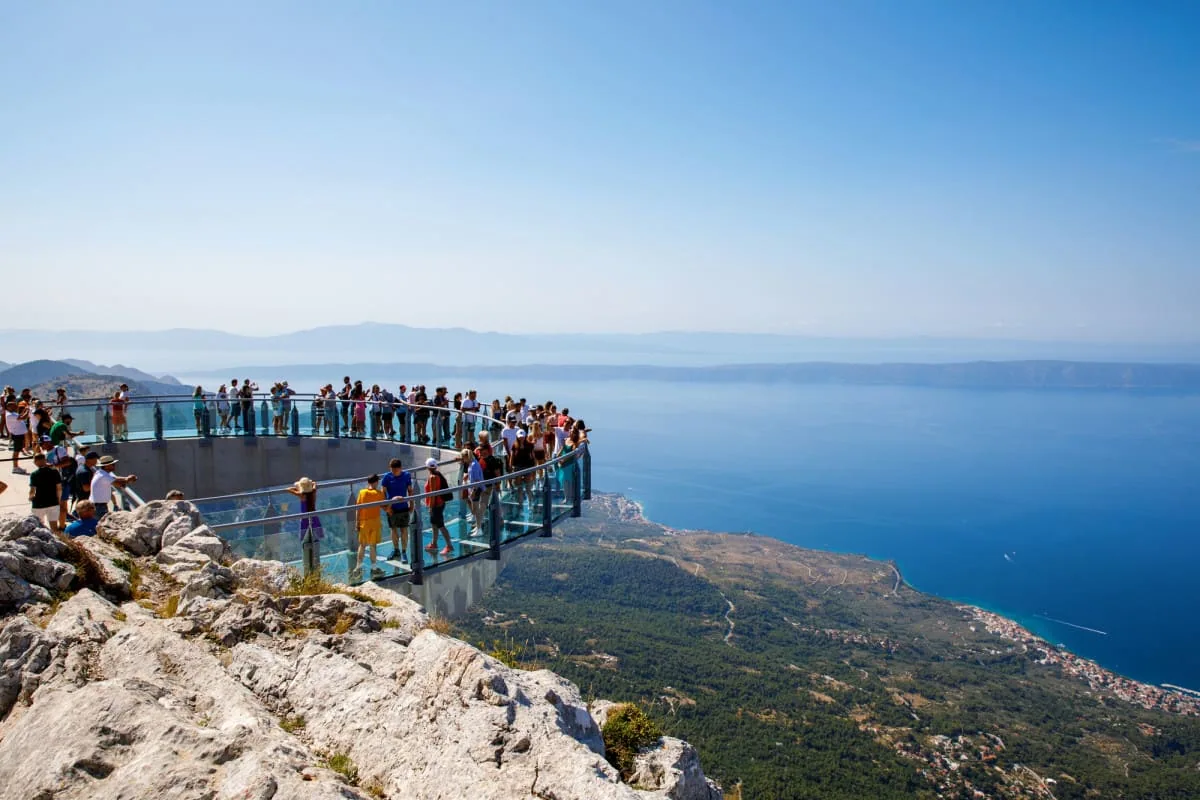
If you are looking for the best views in Croatia, you have to head over to the Biokovo Nature Park. Set within the Biokovo mountain range of the southern Dalmatian coast, the nature park protects a 19,550 hectare area of rugged mountainous terrains popular for their hiking trails.
However, the most prominent attraction within the park is the Biokovo Skywalk. Opened in 2020, the skywalk reaches 11 meters over the cliffside and overlooks the Makarska Riviera from an elevation of 1,228 meters.
From this vantage point, visitors admire the striking coastal landscapes as it meanders out into the Adriatic to produce some of the most striking landscape vistas in the Balkans.
Location: Above Makarska Riviera, Dalmatia | Vibe: Sky-high viewpoints | Best for: Scenic drives, short hikes, wow-factor views | Perfect time: May–June, September–October
Why it’s enchanting: Biokovo rises abruptly from the coast, so you get that rare combo of mountain drama and sea panorama in one glance. On clear days you can see islands scattered across the Adriatic like stepping stones.
My personal highlight: The Biokovo Skywalk moment, when you step out and suddenly the coastline feels miles below you.
9. Hvar Island

Easily one of the most stunning islands in the Adriatic, Hvar is located just off the Dalmatian coast and promises the glitz and glamor of a small Mediterranean island getaway combined with the historical buildings of the island’s medieval town.
In Hvar Town, you will find St. Stephen’s Square, a 13th-century plaza that consists of a small harbor and public square lined with galleries, cafes, and shops. Meanwhile, throughout the island’s countryside are splendid beaches, sweeping vineyards, and fragrant lavender fields.
Location: Hvar, Split-Dalmatia | Vibe: Glam island escape | Best for: Beaches, nightlife, lavender vibes | Perfect time: June–September (or May for quieter)
Why it’s enchanting: Hvar does sunshine-and-style brilliantly, but it’s not just cocktails and yachts. There are quiet coves, hilltop views, and inland villages where life slows right down.
My personal highlight: Hiking up to the Fortica for that sweeping view over the harbour, especially as the lights start flickering on.
10. Krka National Park
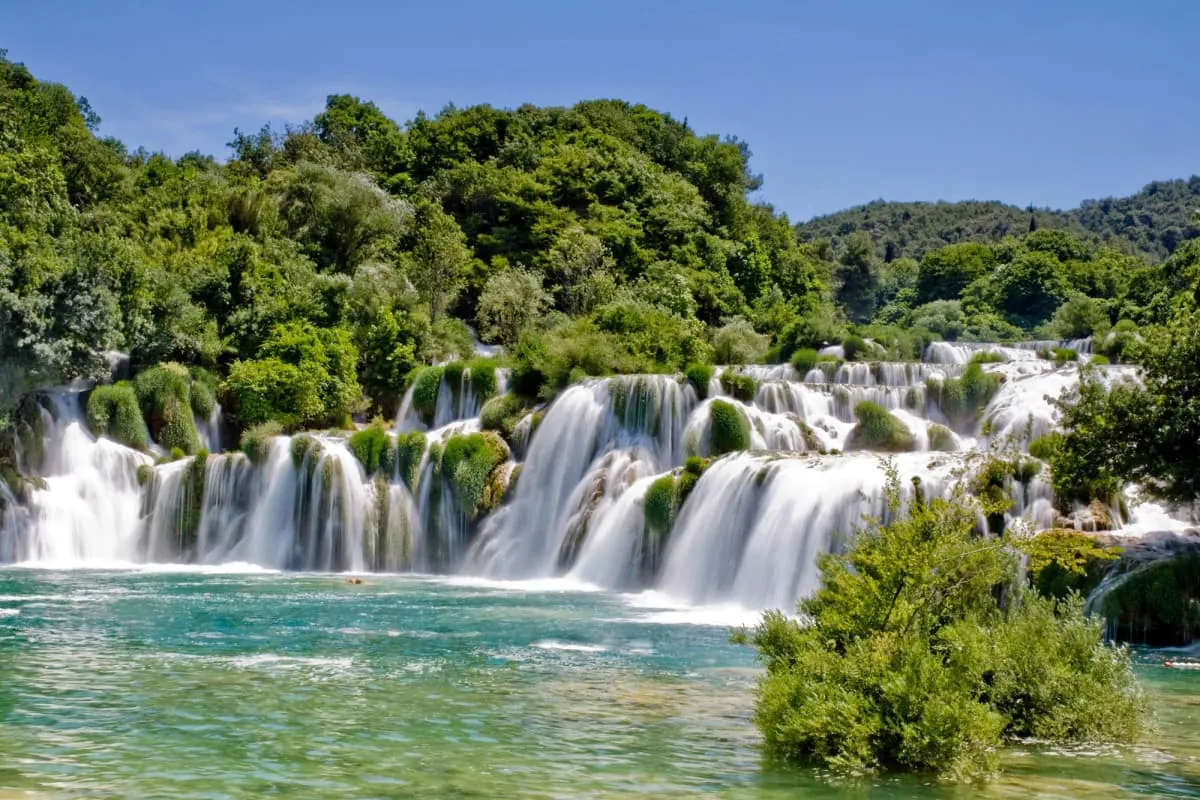
Home to seven of Croatia’s most stunning waterfalls, Krka National Park is a 109 km2 preserve along the Krka River in southern Croatia. The most impressive of the Krka waterfalls is the Skradinski Buk, which is a 150-foot cascade that breaks and branches into 17 smaller cascades.
All of the park’s waterfall features are connected through a series of hiking trails, which continue towards the deeper corners of the preservation and lead to various cultural and historical attractions that include monasteries, ancient Roman ruins, and the Krka River.
Location: Šibenik-Knin County | Vibe: Waterfalls and river trails | Best for: Easy nature days, boat trips, photos | Perfect time: April–June, September
Why it’s enchanting: Krka is a softer, greener kind of wow, with waterfalls, riverside paths, and little viewpoints that appear just when you think you’ve seen the best bit. It’s beautiful in a way that’s easy to access.
My personal highlight: Taking the boat upriver and feeling the whole pace of the day drop.
11. Losinj
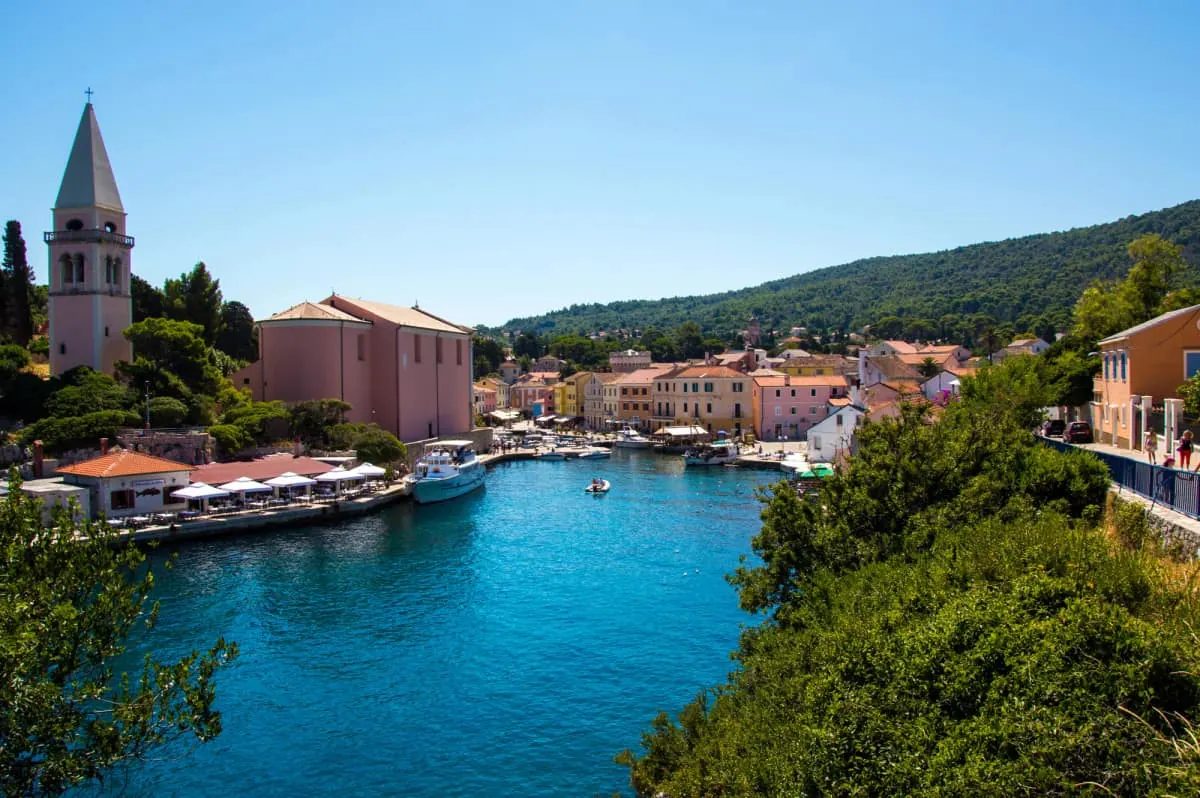
Losinj is a lush Croatian island in the northern Adriatic Sea and is home to rolling green hills, a beautiful natural harbor, and the popular resort town of Mali Losinj.
A charming Mediterranean town, Mali Losinj features colorful, vibrant buildings along the picturesque promenade that lines the town’s natural harbor, while the community itself promises quiet laid-back charms for a relaxing island getaway.
Meanwhile, the island itself is home to a great variety of natural beauty and offers plenty of hiking trails and untouched wildernesses with some of the best views to be had from the top of St. Ivan.
Location: Primorje-Gorski Kotar (Kvarner) | Vibe: Pine-scented calm | Best for: Wellness breaks, coastal walks, quieter islands | Perfect time: May–June, September
Why it’s enchanting: Lošinj is all clean air, pine forests, and coves where the water is the main attraction. It feels restorative, like somewhere you go to reset your head.
My personal highlight: The coastal walk near Mali Lošinj, where the path keeps delivering little swim spots you’ll want to “accidentally” stop at.
12. Diocletian’s Palace

Built for the Roman Emperor Diocletian in the 3rd century, Diocletian’s Palace is one of the most grand and awe-inspiring ancient structures in Croatia.
The Palace makes up about half of Split’s Old Town, covering an impressive 31,000 sq meters, and is home to a combination of historical attractions and modern businesses. Approximately 3000 people currently live within the confines of the Palace’s monumental walls, along with 220 buildings that include bars, shops, and restaurants.
Location: Split, Dalmatia | Vibe: Living history | Best for: Architecture, food, city energy | Perfect time: May–June, September
Why it’s enchanting: This isn’t a palace you visit, it’s one you move through. Roman stone corridors open into busy squares, restaurants sit inside ancient walls, and the whole place feels alive rather than museum-like.
My personal highlight: Standing in the Peristyle in the evening when the atmosphere turns almost theatrical and the stone starts glowing.
13. Kornati Islands
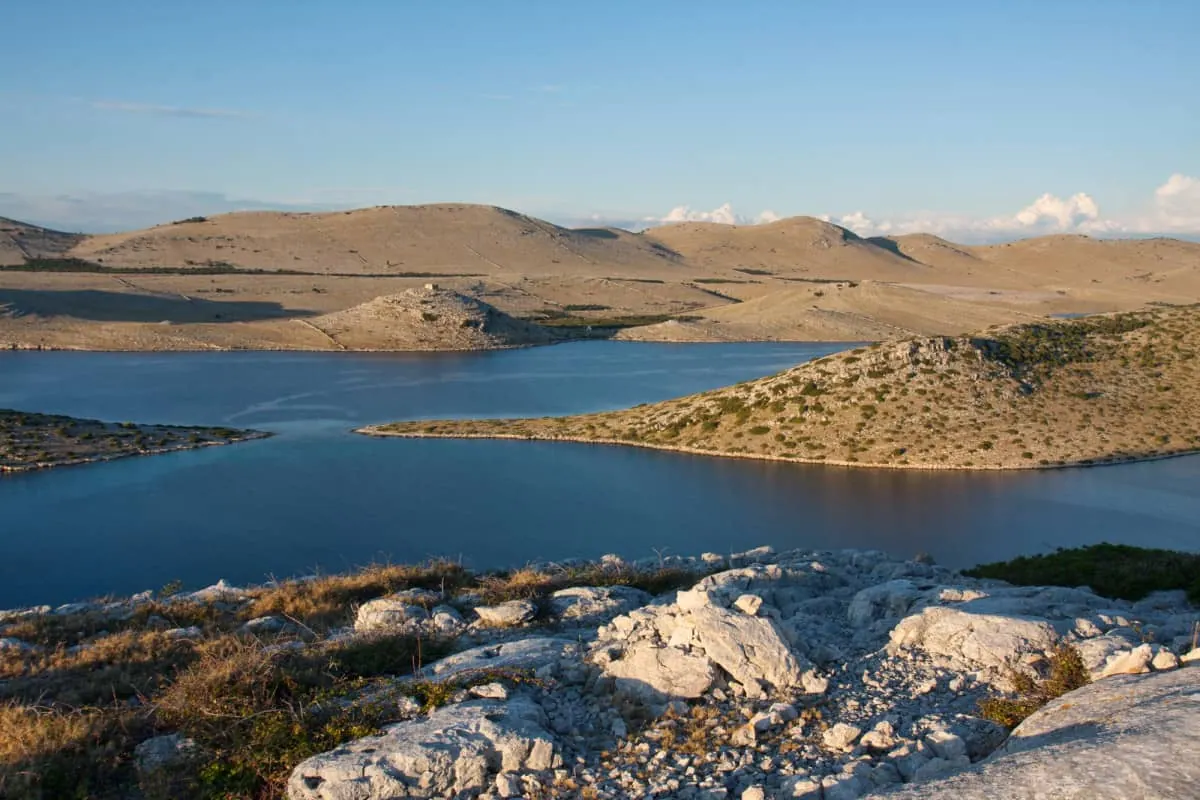
Cracks and caves of karst limestone cliffs have made Croatia’s Kornati Islands scarce and uninhabitable, with no permanent residence found anywhere along its 140 islands.
However, the lack of civilization has made the archipelago one of the most beautiful places in Croatia. Boat tours can be booked in Zadar, Sibenik, or Split and will guide visitors via sailboat through the iconic waterways to picturesque grottos, towering cliffs, and abandoned islets.
Location: North Dalmatia (near Zadar/Šibenik) | Vibe: Wild island seascape | Best for: Boat days, snorkelling, solitude | Perfect time: June–September
Why it’s enchanting: The Kornati feel lunar and untamed, with bare rocky islands rising out of that deep Adriatic blue. It’s less “beach holiday” and more “open-sea freedom”.
My personal highlight: A day boat trip where you jump into water that’s so clear you can see the seabed like it’s right under you.
14. Kopacki Rit Nature Park
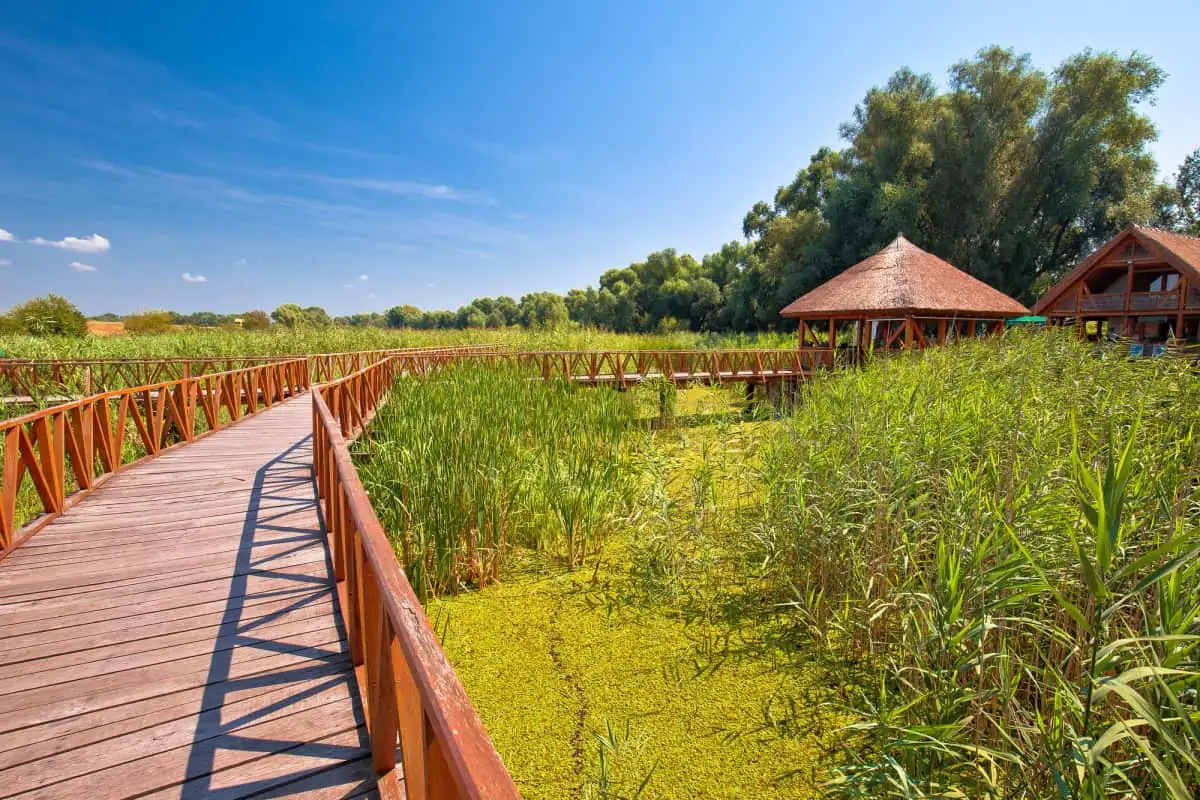
Located near the border of Serbia in far eastern Croatia, Kopacki Rit Nature Park is a stunning zoological reserve that protects a stunning 177 km2 wetland that formed at the confluence of the Drava and Danube Rivers.
As a zoological reserve, the nature park is one of the best places in Croatia to spot endemic plant and wildlife, with the park being home to over 260 species of bird, 40 species of fish, 140 plant species, and mammals that include red deer, European wildcat, and the Eurasian otter.
Visitors are welcome to explore the park’s natural environments along a series of boardwalks that weave their way throughout the protected area, or along boat tours that bring guests directly through the waterways themselves.
Location: Slavonia (near Osijek) | Vibe: Wetland wilderness | Best for: Birdwatching, peaceful nature | Perfect time: April–June, September–October
Why it’s enchanting: A maze of wetlands, reeds, and waterways that feels totally different from coastal Croatia. It’s quiet, eerie in places, and full of wildlife if you slow down and watch.
My personal highlight: A boat ride through the channels when everything is still and you can hear birds calling across the marsh.
15. Northern Velebit National Park
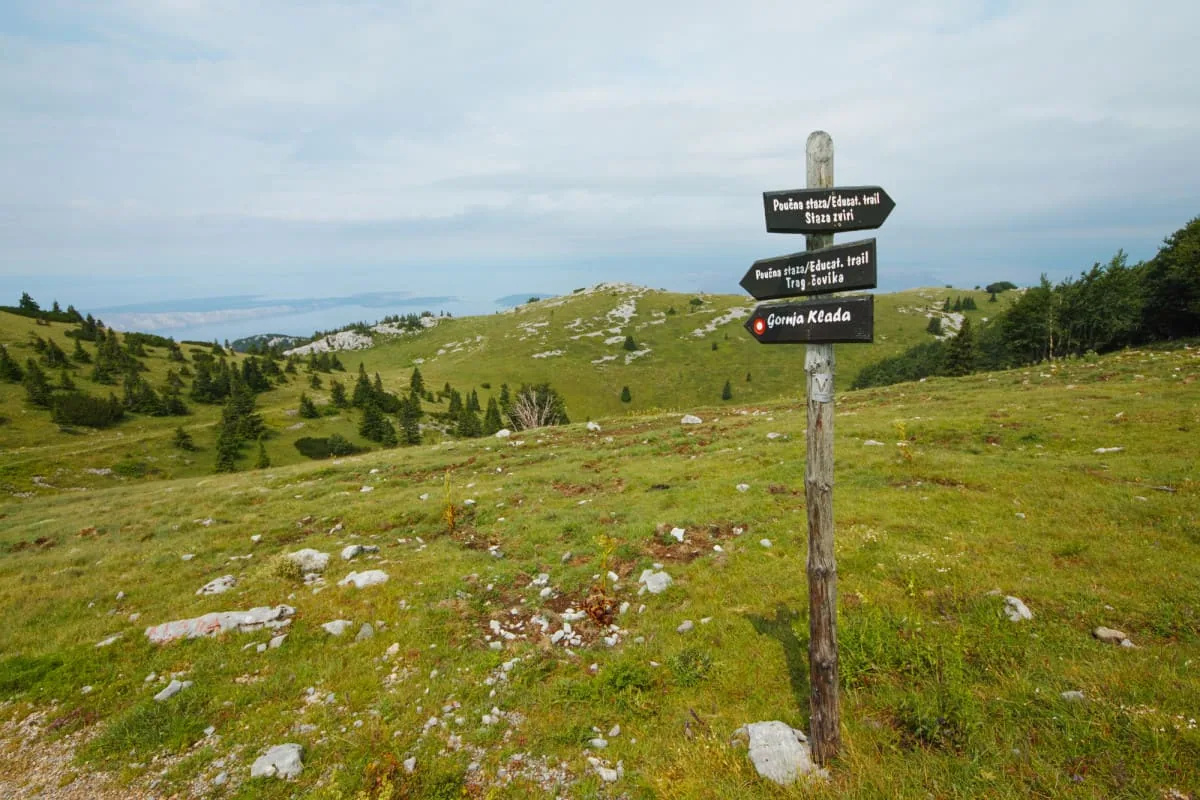
One of the most popular Croatian destinations for hiking, the Northern Velebit National Park spans 109 km2 throughout the Velebit mountains. As the country’s largest mountain range, the national park is home to some of the most impressive mountainous landscapes that promise adventurous treks and awe-inspiring views.
Hidden behind the curtain of the mountain range is a series of highland pastures and dense forests that are home to a variety of wildlife, including lynx, wolves, and bears.
Among the region’s hiking trails is the celebrated Premuzic Trail. This 57 km hike takes three days to complete and leads intrepid trekkers from the Adriatic Coast to the rugged landscapes of the mountains.
Location: Lika-Senj County | Vibe: Rugged mountain trails | Best for: Hiking, viewpoints, cooler air | Perfect time: June–September
Why it’s enchanting: Velebit is dramatic, with rocky ridges and big-sky views that feel almost Alpine, but wilder. It’s the kind of landscape that makes you want to keep walking just to see what’s next.
My personal highlight: The Premužić Trail sections where the path suddenly opens to wide panoramas and you stop without meaning to.
16. Zadar

Famous for its breathtaking waterfront, Zadar is one of the most beautiful cities in Croatia and blends picturesque coastal allure with centuries of historical influence. Within the city’s Old Town, visitors will find plenty of antique beauty, including within its Venetian and Italianate buildings.
Of course, the biggest appeal of Zadar will always be its waterfront promenade, which promises some of the best sunsets in the world accompanied by the modern addition of its Sea Organ which uses waves pushing air through pipes to produce melodic sounds of nature.
Location: Zadar, North Dalmatia | Vibe: Seaside city with quirks | Best for: Sunsets, easy city breaks, island hopping | Perfect time: May–June, September
Why it’s enchanting: Zadar has that laid-back coastal rhythm, but with a playful streak. The waterfront is the star, and the sunset culture here is a real thing, not an Instagram line.
My personal highlight: Sitting by the Sea Organ at dusk, letting the waves make the music while the sky does its usual Zadar show.
17. Visovac Monastery
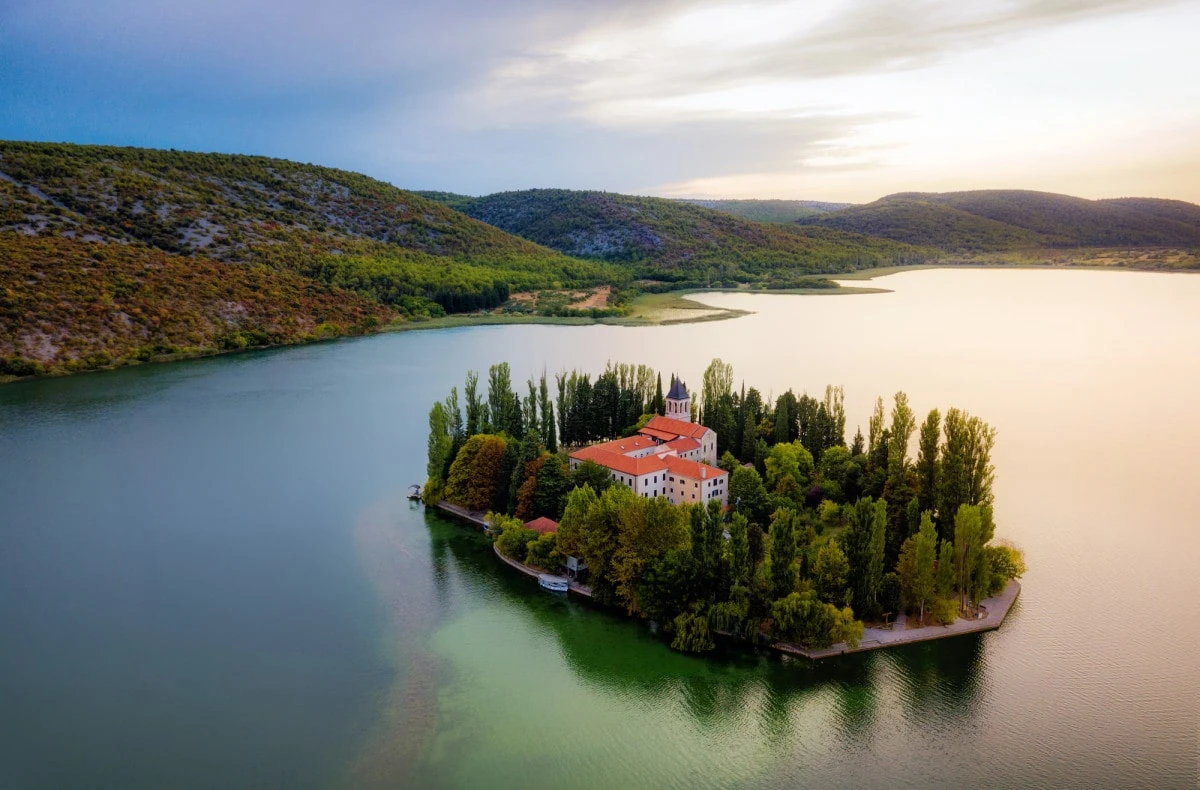
Isolated on its own tree-covered island in the center of a lake in Krka National Park, Visovac Monastery is easily one of the most picturesque religious complexes in a country that is absolutely filled with them.
Visovac started as a small complex in the 14th century consisting of the Franciscan Monastery of Our Lady of Mercy and the Church of Our Lady of Visovac and was later expanded upon to include a museum.
Today, the monastery is open to visitors and can be accessed via a boat ride from the national park. However, the best view of the island is found at the designated viewpoint along the southwestern bank of the lake.
Location: Krka River, near Skradin | Vibe: Monastery-on-an-island | Best for: Day trips, calm scenery, photos | Perfect time: April–June, September
Why it’s enchanting: A tiny island with a monastery and trees clustered in the middle of a river lake, like something from a painting. It’s peaceful, simple, and oddly moving.
My personal highlight: Seeing it from the boat as it comes into view, when it suddenly feels like you’ve stepped into a different century.
18. Motovun
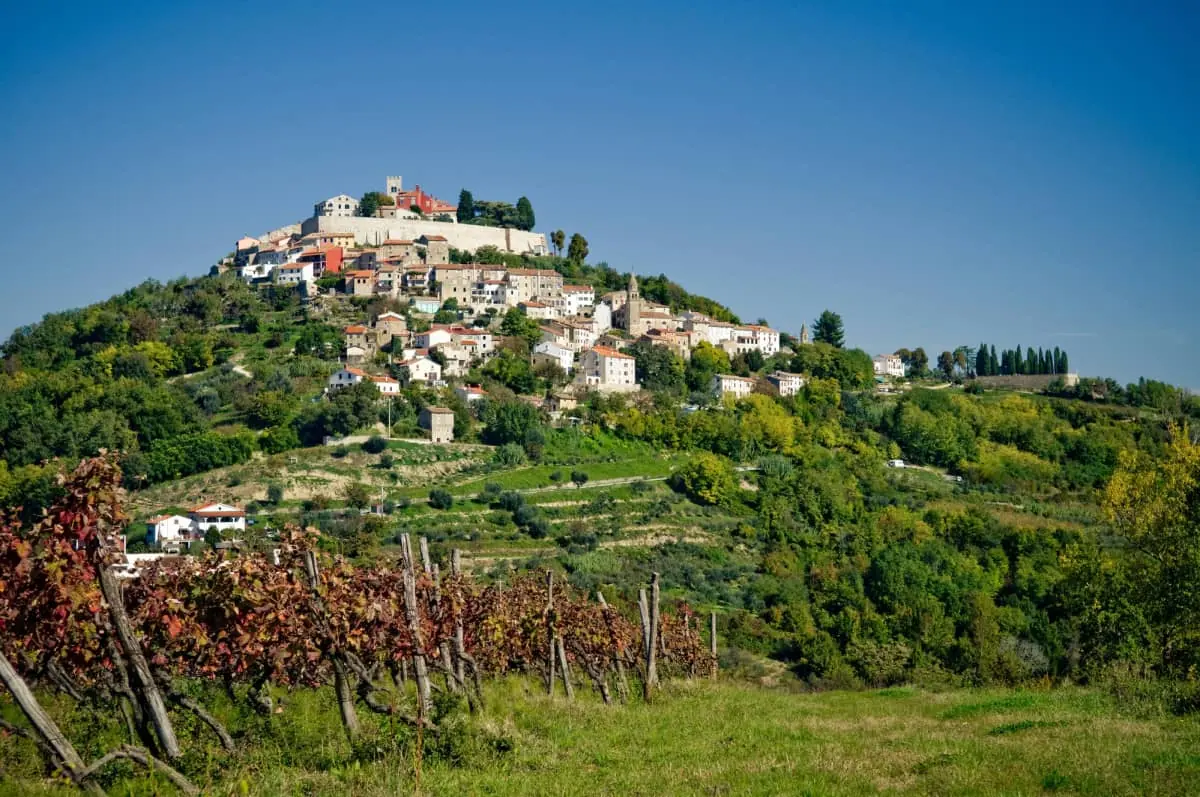
While Croatia is most known for its striking coastal cities, one of the most beautiful communities is found within the inland landscapes of northern Croatia, a little more than 15 km from the Slovenian border.
Sprawled across the slopes of a 277 meter hill, Motovun is a small village in central Istria that stands out among the region’s lush landscapes thanks to its breathtaking medieval architecture and historic buildings.
From the iconic Romanesque -Gothic bell tower that sits atop the village’s highest point, visitors can admire the striking pastoral views of the surrounding region, which includes far sweeping vineyards, dense forests, and the 53 km Mirna River.
Location: Inland Istria | Vibe: Hilltop romance | Best for: Foodies, truffles, views | Perfect time: September–November
Why it’s enchanting: Motovun sits above forests and vineyards, wrapped in walls and old stone streets. It’s one of those places where the air feels cooler and the food feels better.
My personal highlight: A truffle tasting followed by a slow walk along the walls, looking out over the green Istrian hills.
19. Trakoscan Castle
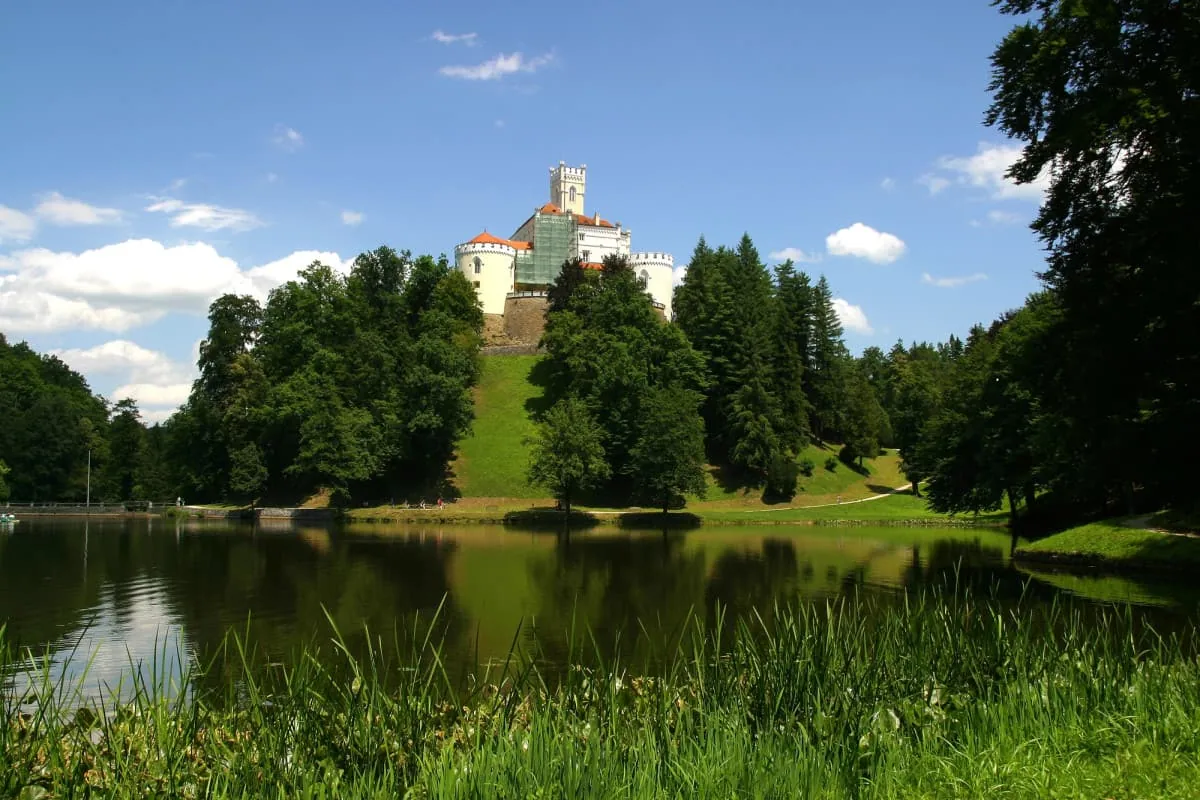
Trakoscan Castle is another Croatian destination that feels like it was taken out of the storybook.
Perched atop a picturesque hill in Varazdin County near the northwestern Slovenian border, the castle is surrounded by beauty, including a lush, picturesque park and a reflective lake lining the foot of the hill.
Meanwhile, the fortress itself is a marvel to behold and consists of a rustic interior lined with impressive stone walls, red tile-topped turrets, and a draw bridge to complete the fairy-tale castle fantasy.
Location: Hrvatsko Zagorje (north Croatia) | Vibe: Fairytale lakeside castle | Best for: Day trips from Zagreb, photography | Perfect time: April–June, September–October
Why it’s enchanting: A castle rising above a lake, surrounded by trees, with that classic storybook silhouette. It’s romantic, slightly mysterious, and wonderfully photogenic from almost every angle.
My personal highlight: The lakeside loop walk, where the castle keeps reappearing through the trees like a perfect reveal.
20. Zagreb
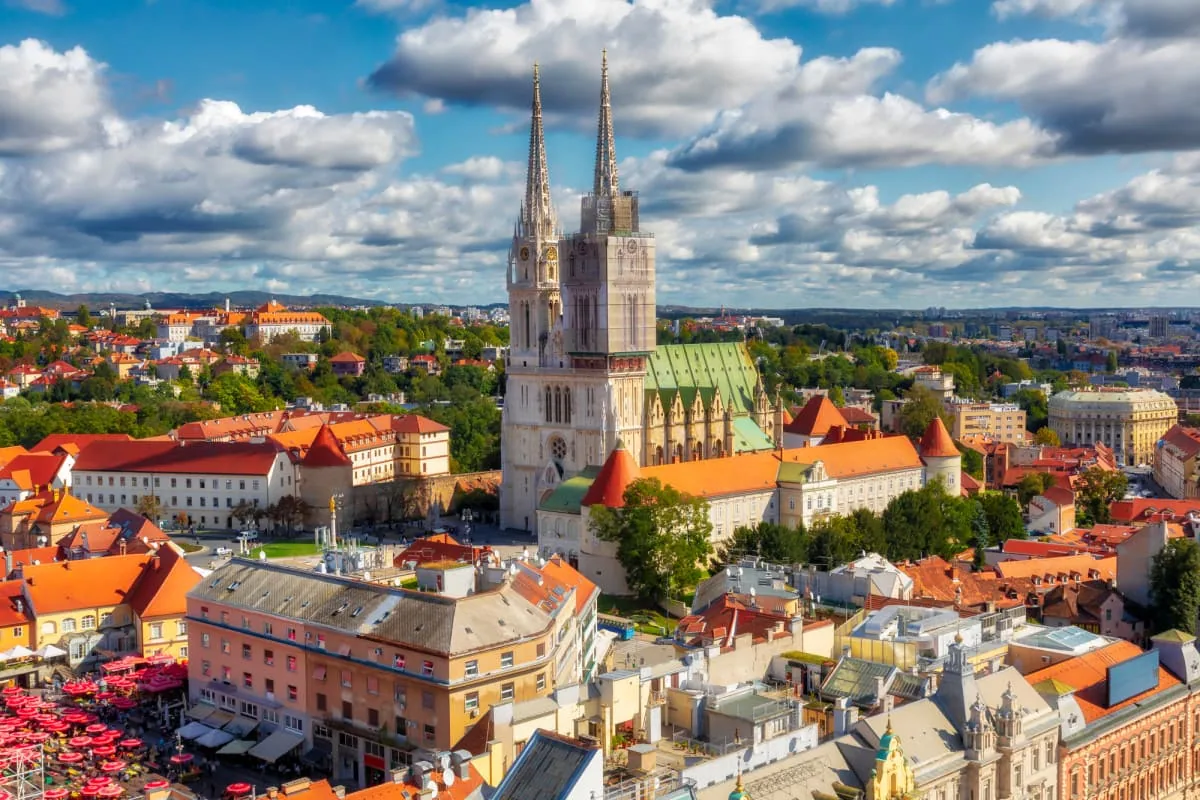
When talking about beautiful places in Croatia, we can’t leave out the country’s capital city of Zagreb.
Located in the northeastern reaches of Croatia, Zagreb is often overlooked by tourists in favor of the country’s coastal destinations, but the city itself is definitely worth a visit and is home to breathtaking architecture and stunning old town with plenty of historical sites.
Location: Central Croatia | Vibe: Café culture and character | Best for: City breaks, markets, museums | Perfect time: April–June, September–October (or December for festive)
Why it’s enchanting: Zagreb feels lived-in and charming, with leafy streets, easy tram rides, and a café scene that invites you to linger. It’s not showy, it’s quietly likeable, and it rewards slow exploration.
My personal highlight: Browsing Dolac Market in the morning, then wandering up into the Upper Town for those calm, old-street views.
21. Cavtat

Located just 20 km south of Dubrovnik, Cavtat is a quieter, more intimate seaside town along the Dalmatian coast that promises plenty of serene beauty along the Adriatic with far fewer crowds.
The town’s harborfront is lined with plenty of restaurants, cafes, and shops, along with two beautiful beach areas that promise surreal views come sunset.
Between the traditional quiet atmosphere of the community and its convenient location near the more popular tourist city, Cavtat is by far one of the most inviting communities for exploring southern Croatia.
Location: Near Dubrovnik, Dalmatia | Vibe: Laid-back harbour charm | Best for: Quieter coastal base, day trips | Perfect time: May–June, September
Why it’s enchanting: Cavtat is the antidote to Dubrovnik’s intensity: a pretty harbour, palm-lined promenades, and a gentle pace that makes you want to stay longer than planned. It’s small, elegant, and very easy to love.
My personal highlight: The seafront promenade walk just before sunset, when the water goes silvery and the cafés start filling up.